
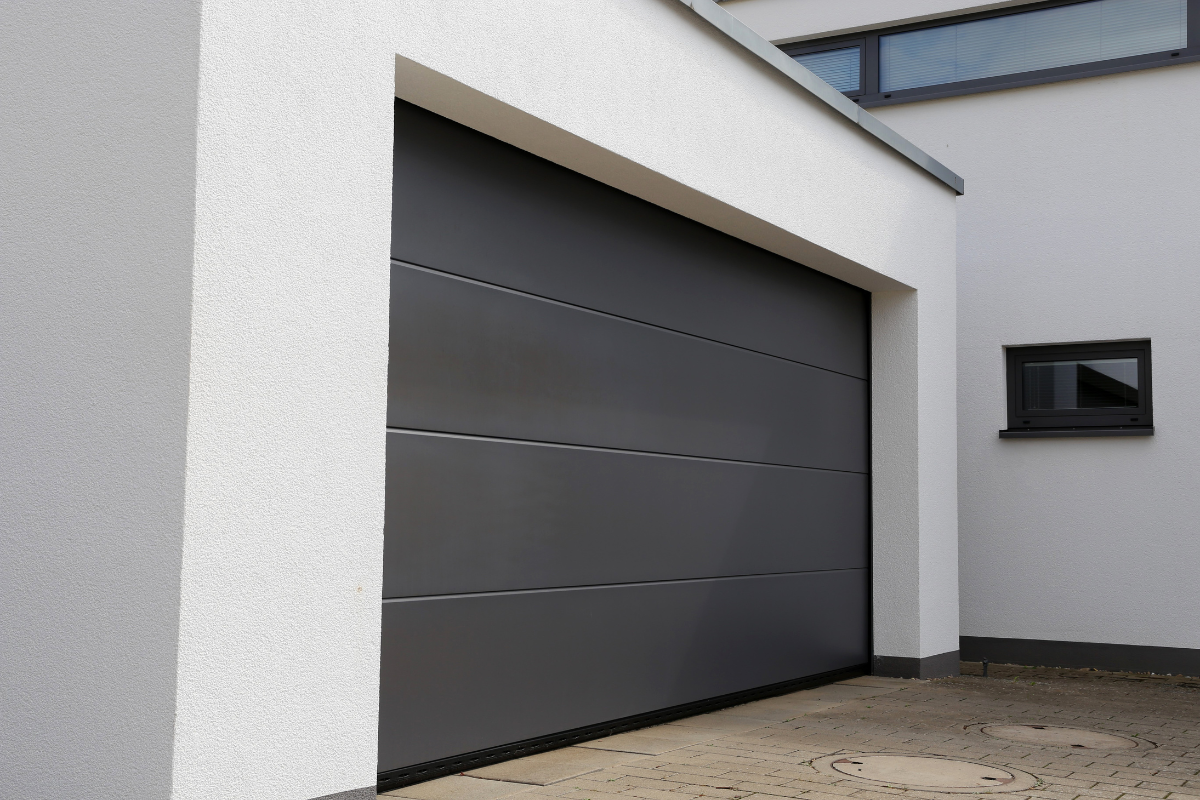
A garage door is the largest moving feature in most homes. In Phoenix, it also faces punishing heat, dust, monsoon microbursts, and the occasional haboob that leaves grit in every crevice. Whether you are replacing a faded, sun-baked door or adding a new one to a remodel, a central decision shapes your outcome: hire a professional or do it yourself. The choice carries real consequences for safety, cost, energy efficiency, resale value, and your weekend.
I’ve been in and around garage doors for years, first as a general contractor, then working alongside a garage door company on installations in central and north Phoenix. I have seen inventive DIY setups that performed just fine for a time, and I have also seen doors crash to the slab because a spring was miswound by a garage door repair phoenixf few turns. The line between a good DIY result and a calamitous one can be thinner than it looks from the aisle at the home center.
The Phoenix context: heat, UV, and dust change the calculus
In mild coastal climates, a standard raised panel steel door with a mid-range opener might last a decade with minimal fuss. Phoenix is different. Summer asphalt temperatures around driveways often exceed 140 degrees by late afternoon. The southern and western exposures bake panels and seals. UV turns plastic brittle, dries out vinyl weatherstripping, and fades factory finishes. Dust infiltration is relentless, especially in homes along the Loop 303 corridor and out toward Buckeye, Surprise, and the northern reaches of Cave Creek.
These conditions magnify small installation errors. A door with racked tracks will bind more as metal expands. A thin, uninsulated pan door turns the garage into a convection oven, which then stresses the door’s finish and hardware from the inside out. Misaligned bottom seals carve dust paths like riverbeds across the slab. If the torsion springs are not matched for the door’s actual weight, they lose balance faster as lubrication dries and bearings collect grit.
A garage door supplier in Phoenix knows these realities because they handle warranty returns and service tickets for them all summer. garage door repair That local feedback loop influences both product recommendations and installation standards. A homeowner can replicate some of that wisdom with careful research, but not all of it.
What a professional installation actually covers
Professional installation is not just lifting a door into place. A competent garage door company works through a sequence that blends measurement, component matching, balancing, and safety validation. On a typical single-car door job in Phoenix, here is what happens behind the scenes:
Site assessment and measurement. Good installers verify the opening width, height, headroom, backroom, side room, and the plumb and level of framing members. Stucco homes often hide out-of-square openings that require track shimming. Concrete slabs slope for drainage, which affects how the bottom seal compresses. In older neighborhoods like Arcadia Lite and central Phoenix bungalows, framing is not always standard.
Door and spring matching. The door’s actual weight is used to select torsion spring wire size, coil diameter, and length. Many DIY kits come with generic spring sets that match a broad weight band; it may work, but it will not balance precisely. A balanced door stays at mid-travel without falling or rising. That balance matters for opener longevity and safety.
Track layout and reinforcement. The installer squares the tracks to the opening, ensures equal reveal, and installs strut reinforcement along the top panel. In the valley, wind is not the main concern, but thermal movement is. A stiffened top panel resists flex that can misread force limits on openers. For wider double doors, center stile reinforcement is common.
Opener selection and mounting. Belt-drive openers are favored in Phoenix for their quiet operation and smoother travel, especially in homes with bedrooms over or near the garage. DC motors with soft start/stop reduce jolts that amplify racking in hot metal. Mounting into engineered joists or trusses requires correct lag choice and occasionally a header bracket to spread load. Pros know which rafters are safe to use and how to strut the top section so the opener is pushing on structure, not just a thin metal panel.
Safety system configuration. Proper placement of photo-eyes at 4 to 6 inches above the slab, verification of downforce and reversing systems, and safety cable on extension spring setups if present. Pros cycle the door repeatedly, then set travel limits so the seal compresses without overdriving into the floor. They test manual release function and show the homeowner how to use it.
Finish trim and weather management. Bottom seals and side/top vinyl stop are trimmed and fitted to minimize dust and heat infiltration. On stucco exteriors, pros often recommend powder-coated tracks or painted trim that tolerates heat better.
Documentation, warranty, and service scheduling. Reputable installers provide a dated install sticker with door specs, spring sizes, and opener model. When service is needed, the technician arrives knowing what was used and how it was set up.
This chain of steps rarely appears in DIY guides in full. Each step can be learned, but missing any one usually shows up later as noise, binding, premature spring fatigue, or opener strain.
The DIY case: where it can work, and where it bites
DIY installation is appealing for three reasons: cost savings, scheduling freedom, and personal satisfaction. Boxed doors and opener kits from big-box retailers are better than they used to be. Instruction manuals are clearer, hardware is more standardized, and packaging is easier to handle without a helper. For basic single-car steel doors with no special features, a careful homeowner can complete a replacement over a weekend.
The pressure points are predictably the same in Phoenix homes. The first is spring handling. Torsion springs store serious energy. Winding them with improvised bars is dangerous. The second is rectifying imperfect framing and slabs. Many garages need track shimming to counter a slope or out-of-square jamb. The third is matching springs to weight when the door is not a textbook model. Add-ons like decorative hardware, windows, or higher-gauge steel change the balance.
There is also the matter of hauling and disposal. Doors arrive as multiple panels, tracks, struts, and boxes of hardware. Heat and wind do not cooperate during assembly. Removing and disposing of the old door and tracks adds weight and metal shards to an already hot day. If you do not have a truck or recycling plan, that becomes an extra errand.
An experienced DIYer with the right tools, a second set of hands, and the willingness to call a pro for the spring work can land a good outcome. The opposite scenario looks like this: the door is on, but runs rough, the opener strains, the seals do not seal, and the garage becomes a dust collector. Fixing that after the fact often costs more than hiring a garage door company in Phoenix from the start.
Cost realities: what people actually pay
For a single-car, non-insulated steel door from a value line, expect a DIY material spend between 500 and 900 dollars, depending on brand, panel design, and whether windows are included. A mid-range belt-drive opener with Wi‑Fi typically runs 250 to 450 dollars. Add fasteners, sealant, framing shims, and incidentals, and most DIYers land between 800 and 1,400 dollars out-of-pocket. Your time is a cost as well. Two people for a day, sometimes two if adjustments stretch out, is normal for first-timers.
Professional installation for a comparable door typically ranges from 1,200 to 2,400 dollars installed in Phoenix, depending on insulation, gauge, window packages, and the opener. If you step up to insulated steel with an R‑value in the 9 to 18 range, pricing climbs accordingly. Higher-end composite or faux-wood steel overlays cost more still. Most garage door suppliers in Phoenix include old door haul-away, reinforced struts, proper spring matching, opener integration, and labor warranty. Many also include the first-year tune-up, which pays off after a hot summer.
The biggest hidden savings with a pro is spring longevity and opener life. A well-balanced door does not make the opener do the heavy lifting; garage door installation the springs do. In my experience, balanced doors allow openers to last 10 to 15 years in Phoenix, while strained openers can fail in five to seven. Springs on a properly matched and lubricated setup often last 7 to 10 years, sometimes longer. Undersized or generically matched springs lose torque more quickly in our heat.
Insulation and energy behavior: the garage as a buffer zone
Homeowners often ask whether insulated doors make a difference. In Phoenix, yes, but think in terms of moderation, not miracles. A double-steel, polystyrene-insulated door with an R‑value near 9 will slow heat flow into the garage during peak hours. It will not turn the garage into a conditioned space, but it reduces the temperature swing and eases the heat load on walls adjacent to living areas. That is helpful for rooms sharing a wall with the garage, where you can otherwise feel the afternoon heat radiate through.
Insulated doors are also structurally stiffer. That stiffness matters when the sun beats on one side of the panel and not the other. I have seen non-insulated panels oil-can audibly as they expand. Insulation reduces that flex. Doors with polyurethane cores, with R‑values around 12 to 18, resist heat transfer and flex even more, and they are quieter. If budget allows, and especially if your garage faces south or west, stepping up to an insulated door is one of the better long-term choices in this climate.
A professional installer will also advise on perimeter seals and thresholds. Bottom seals with integrated fins do a better job of excluding dust. If your slab is irregular, a threshold adhesive strip can fill voids, but it must be selected for high-temperature service or it will peel in August. DIYers can install these as well, but professionals often have brand preferences that hold up in heat.
Safety and code points you cannot gloss over
Cylinder locks are uncommon in Phoenix because openers handle security, but safety is non-negotiable. Photo-eyes at the correct height, reversal testing, and proper force settings are more than checkboxes. Kids and pets move unpredictably. A properly installed system reverses quickly when it senses resistance. DIYers sometimes set downforce too high to overcome a rubbing point in travel. That masks a misalignment while creating a hazard.
Tempered glass is required for door windows. Some online kits ship with acrylic inserts to keep weight down. Acrylic yellows and scratches in Phoenix sun. Tempered glass with Low‑E coatings helps with heat and remains safe if broken. A garage door supplier Phoenix homeowners trust will specify tempered glass by default.
Torsion spring winding bars are not screwdrivers, and vice versa. This sounds obvious, yet most injuries I have witnessed involved improvised tools. Pros use 1/2 inch or 7/16 inch steel winding bars sized to the cone. They lock down set screws correctly and mark spring turns with chalk to verify count. They also add safety cables to extension spring systems if any remain in older homes.
Real outcomes I have seen
On a new build in Desert Ridge, the owner installed a mid-range steel door himself. The tracks were true, and the opener was well mounted, but the springs were generic and underweighted by about 15 pounds. The opener handled the difference for two summers, then failed during a July hot spell. The motor worked twice as hard as it should have for two years. A garage door repair tech swapped in the correct spring pair and a new opener. Had the springs been right from day one, the opener would likely have lasted.
Another case in Glendale involved a side-wind setup where headroom was tight due to storage racks. The homeowner mounted the opener slightly off center to clear a duct, which torqued the top panel. The door operated, but every close ended with a shudder and squeal. The solution was to install a jackshaft opener on the torsion tube and reinforce the jamb framing. That equipment choice is second nature to pros who see headroom constraints weekly, but it is rarely on a DIY radar.
On the success side, I watched a meticulous DIYer in Ahwatukee replace a single-car door with a fully insulated model. He studied installation videos from the door manufacturer, sourced correctly sized torsion springs from a local garage door supplier, and enlisted a friend for the heavy steps. He took two full days, worked in the morning hours to avoid heat, and called a garage door repair company for a safety check and final balance verification. The result ran smooth and quiet. He saved about 600 dollars, and the door is still performing cleanly years later.
Choosing between professional and DIY for your home
Two factors drive the choice: your appetite for risk and the complexity of your opening. If your garage is a standard single opening with good headroom, and you have experience with precise carpentry tasks, DIY can work, especially if you hire out the spring winding. If your door is a double-wide, includes windows, requires low-headroom hardware, or your framing is out-of-square, a professional installation earns its keep.
The quality of the provider matters as much as the decision to hire. A garage door company Phoenix homeowners recommend will have consistent field practices, clear paperwork, and realistic lead times. If a provider seems indifferent about spring matching or treats opener force settings as an afterthought, keep looking. The best outfits have technicians who will explain the choices and why they prefer certain components in this climate.
When comparing quotes, map them item by item. Are heavy-duty hinges and rollers included, or is the quote using economy components? Is a strut reinforcement standard? What about weatherstripping grade and colorfastness? Is haul-away included? Are there service-call discounts for the first year? The cheapest price can still be the most expensive decision if it trades away component quality or balance.
Working with local suppliers and service companies
One advantage to using a garage door supplier with a Phoenix footprint is inventory. In summer, openers fail in waves during monsoons. Local suppliers stock belt drives, photo-eyes, and logic boards that match the brands popular in the valley. That cuts downtime. A garage door company with a service fleet can swap a failed board or a broken spring same day in many cases, which matters when your garage is your main entry.
For homeowners who prefer DIY, local suppliers are still valuable. They can weigh your old door, match springs properly, and cut tracks if needed. Some will even loan winding bars for a deposit. They also advise on seal types that tolerate heat, and they carry hardware that holds a setting rather than drifting over time as metals expand.
If you search for garage door repair Phoenixf and end up on a site that looks like a national lead aggregator, take a beat. Call local numbers and ask to speak with a technician, not just a scheduler. Ask what spring sizes they expect for your door dimensions. If they can talk specifics, that is a good sign. If they only quote flat numbers without context, keep shopping.
Technology extras: when smart features are worth it
Smart openers with Wi‑Fi, battery backup, and quiet DC motors have become standard for many Phoenix installs. The battery backup earns its way during summer storms when power flickers, and you need the door to open. Wi‑Fi lets you check whether you forgot to close the door when you left in a hurry. My caution is to avoid gimmicks that add heat-sensitive plastics at the head unit without adding real function. Wall consoles with large touchscreens fail quicker in hot garages. A simple smart module tied to a proven belt-drive opener is often the sweet spot.
LED lights built into the opener housing are a plus. Compact fluorescent bulbs often interfere with older remotes, and incandescents do not last long in hot fixtures. LED modules designed for garage temperatures are better. Quiet drive systems also matter if you have a bedroom over the garage. Screw drives are durable but noisier; belt drives are quiet and smooth. Chain drives can be fine for detached garages but are less pleasant under living spaces.
Maintenance realities after installation
Regardless of who installs the door, Phoenix conditions demand annual maintenance. Lubricate hinges, rollers, and springs with a non-silicone, garage-rated lube. Wipe photo-eye lenses with a microfiber cloth every couple of months to counter dust. Check the bottom seal each spring; UV and heat break down the vinyl, and it will harden or crack. Replacing it is a simple DIY task and immediately improves dust exclusion.
If your door develops squeaks or a rhythmic clunk, resist the urge to crank up the opener force. That is a diagnostic red flag that alignment has drifted or a roller is failing. A garage door repair visit is cheaper than a new opener and far safer than running a door on brute force settings. Track fasteners also loosen with expansion cycles. A quick retorque of bracket lag bolts keeps the door true.
Paint and finish care are another Phoenix-specific point. If you opted for a darker color to match a modern palette, be aware that darker finishes absorb more heat. Factory finishes hold up better than field paint. If you plan to paint the door, ask your installer about prep steps and paints that tolerate high surface temperatures. Some homeowners switch to a lighter color for reasons that have nothing to do with taste after seeing how heat accelerates finish wear.
When the warranty matters
Professional installations typically come with two layers of protection: the manufacturer’s product warranty and the installer’s labor warranty. Read both. Some manufacturers prorate finish warranties in high-UV regions. Some labor warranties exclude door balance if you add aftermarket hardware or change spring settings yourself. A clear warranty from a local garage door company gives you leverage and peace of mind.
DIY kits carry manufacturer warranties, but issues that stem from installation are excluded. If a panel creases due to lack of a strut, or an opener fails due to overforce settings, that is not a product defect. For skilled DIYers, this is acceptable. For most homeowners who want someone to call when things go sideways, the professional path aligns better with risk tolerance.
How to choose the right path for your project
If you are still on the fence, frame the choice around outcomes you value most. If your priority is the lowest upfront cost and you have hands-on experience, choose DIY, but commit to doing the research and, ideally, have a professional handle the spring work. If your priority is long service life, quiet operation, and a warranty backed by a local team, garage door supplier phoenix hire a pro.
Here is a compact way to sanity check your decision before you order parts or sign a contract:
- Headroom, backroom, and framing are standard and square, and you have a reliable helper and proper tools: DIY is viable. You need low-headroom hardware, have a double-wide door, want insulated panels with windows, or your slab is uneven: hire a professional. You are uncomfortable with torsion springs and do not have safe winding bars: at least outsource the spring work. You live in a high-dust corridor or south/west exposure and want to optimize seals and finishes for heat: lean on a local garage door supplier Phoenix experts trust for product selection. You value a service relationship for future garage door repair needs: establish it now with a reputable garage door company in Phoenix.
Final thoughts shaped by the desert
Most homeowners only buy two or three garage doors in a lifetime. That rarity can make the decision feel abstract. In Phoenix, the environment makes it concrete. Heat magnifies misalignment. Dust punishes weak seals. UV exposes corner-cutting finishes. A professional installation aligns the variables, from spring weight to opener type to weatherstripping profile, in a way that lasts.
DIY is not off the table. Done well, it can be rewarding and cost effective. The key is honest scoping. If your skills fit the task, your tools are right, and you respect the safety envelope around torsion systems, you can achieve a clean outcome. If any of those conditions waver, the smarter financial play is to hire a pro, document the work, and schedule a quick tune-up after the first monsoon season.
Whether you install it yourself or hire a team, treat the garage door as the critical mechanism it is. That mindset pays dividends every time you hit the remote and the door glides quietly, seals tightly, and keeps the desert where it belongs, outside.
F&J's 24 Hour Garage Door Service
Address: 2330 W Mission Ln Suite 3, Phoenix, AZ 85021
Phone: (623) 853-8487